Borewell caps
6 articles on borewell caps.
· 7 min read
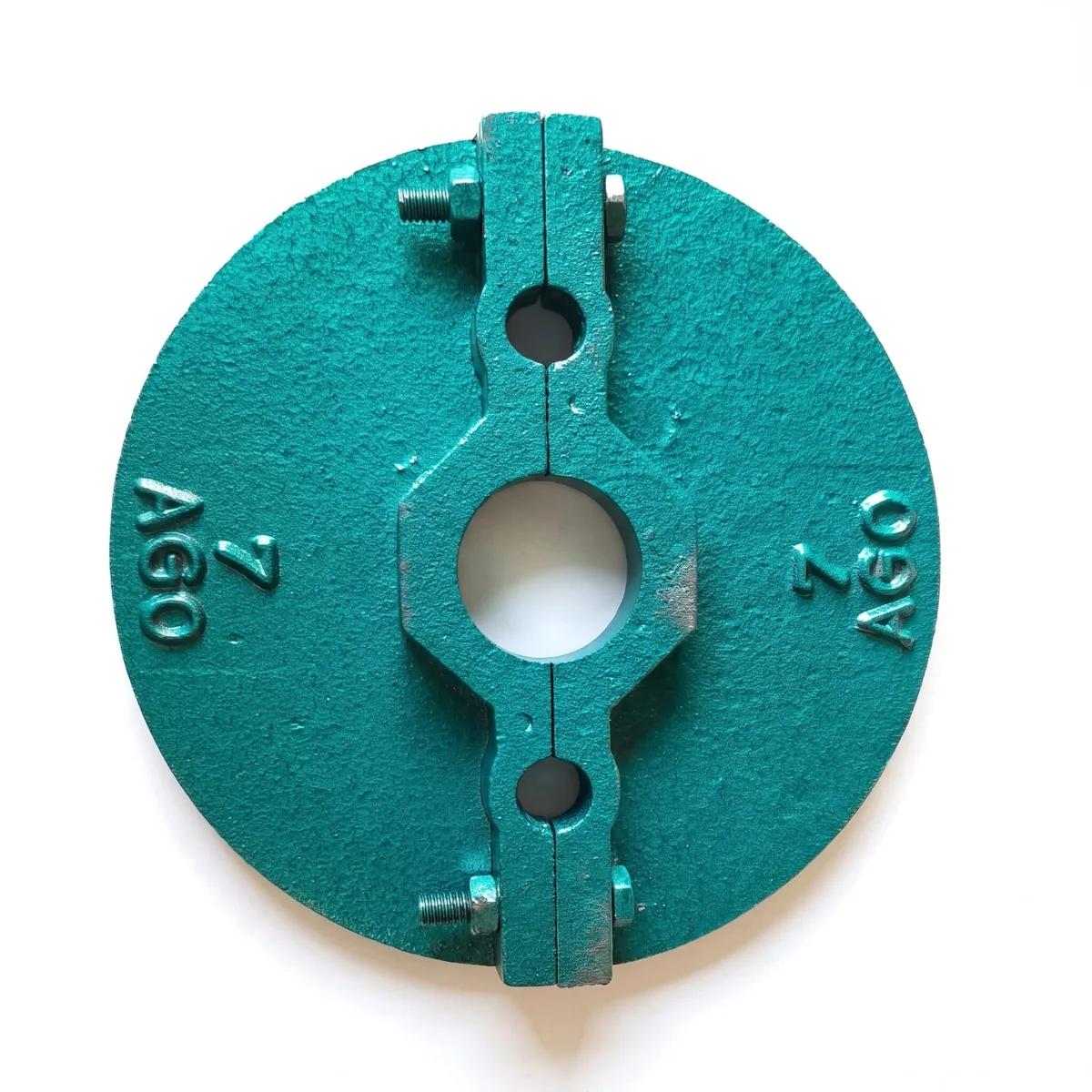
What Drives the Cost of a Borewell Cap
Weight, grade, machining, pattern and quantity — in that order. Understanding which of these your specification is actually paying for, and which of them you can change without weakening the part.
· 6 min read
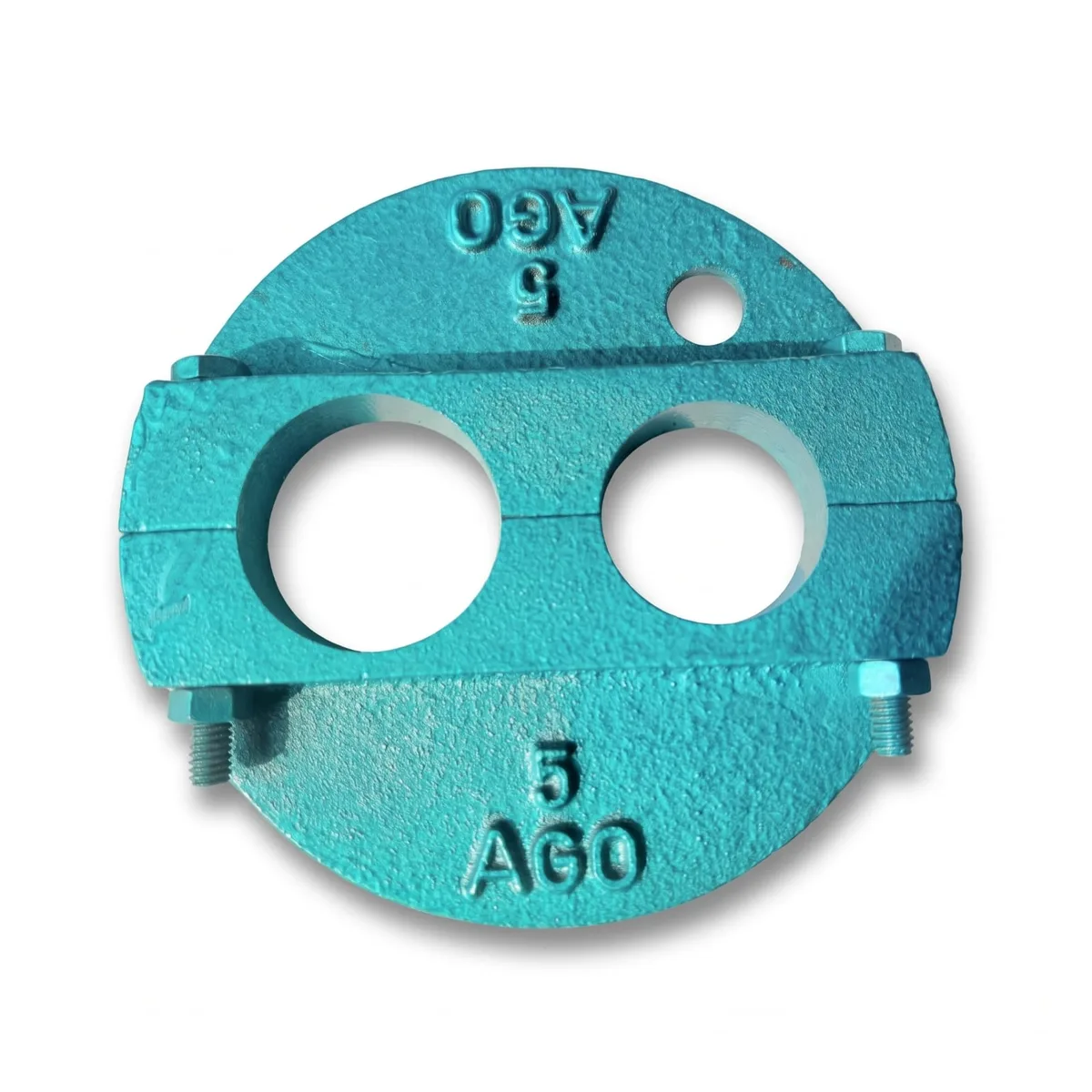
What Is a Column Pipe Clamp, and How Does It Carry the Load?
A column pipe clamp grips the riser pipe below a borewell cap so the weight of pipe, water, cable and pump transfers to the casing instead of to the pump. What it does, the forms it takes, and how the clamp bore is specified.
· 8 min read
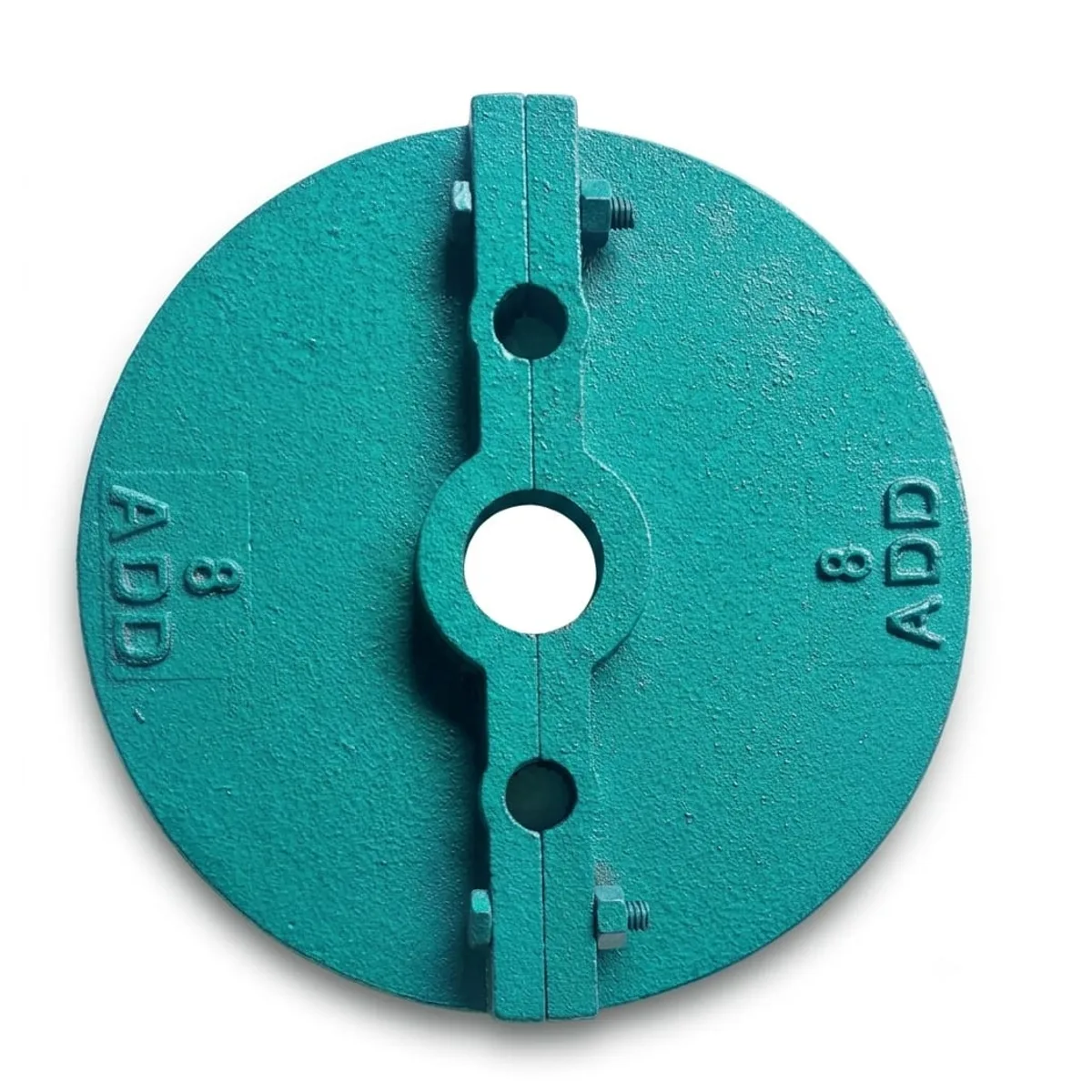
Cast Iron vs Mild Steel Borewell Caps: Which to Specify
A fabricated steel cap is cheaper to make in ones and twos and stronger in tension. A cast iron cap resists corrosion better, damps vibration, and comes out of the mould with the clamp geometry already in it. When each one is the right call.
· 7 min read
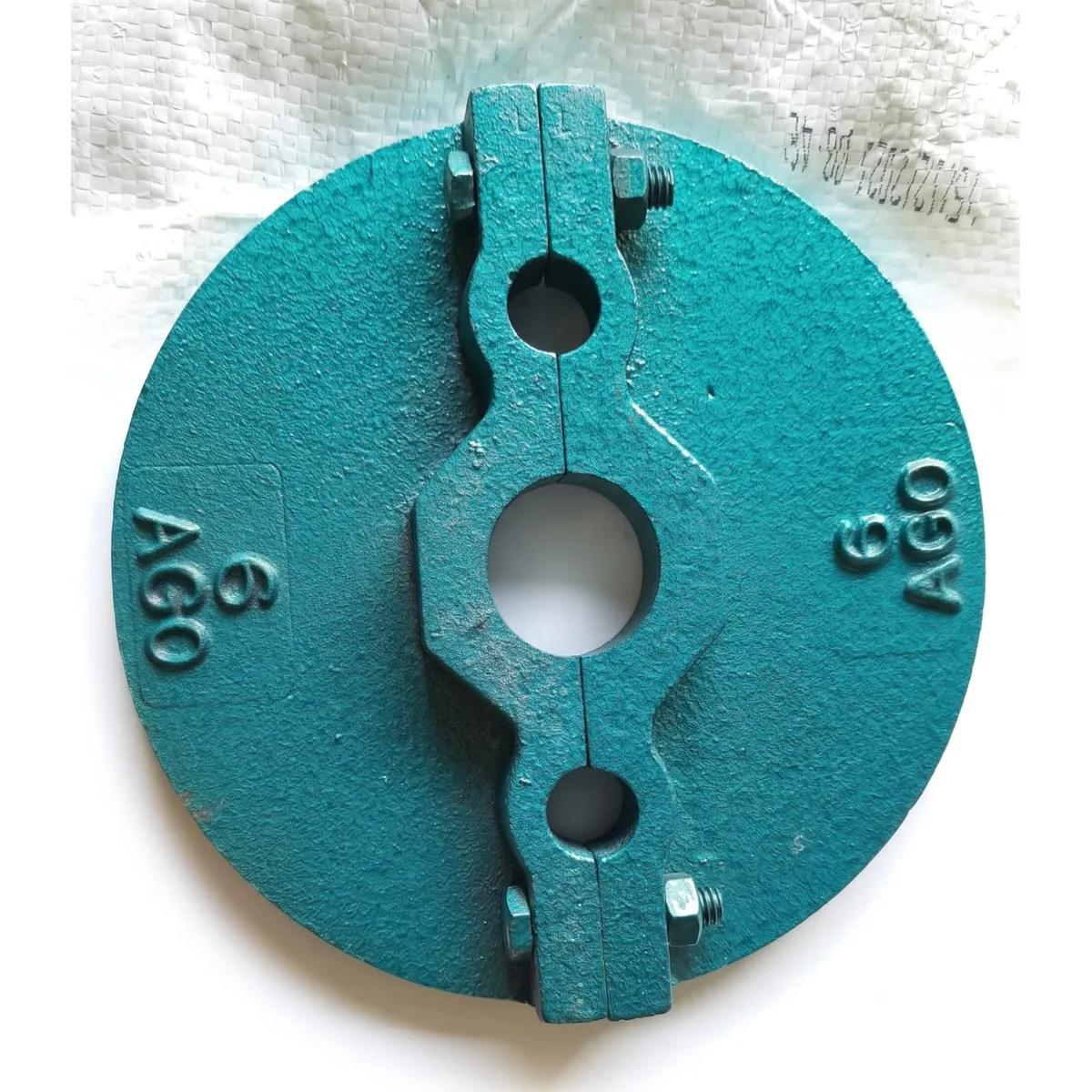
How to Install a Borewell Cap: Step by Step
Dress the casing, check the cap seats without rocking, route the cable, then tighten the clamp evenly. The full sequence a fitter should follow, and the three steps that get skipped and cause callbacks.
· 7 min read
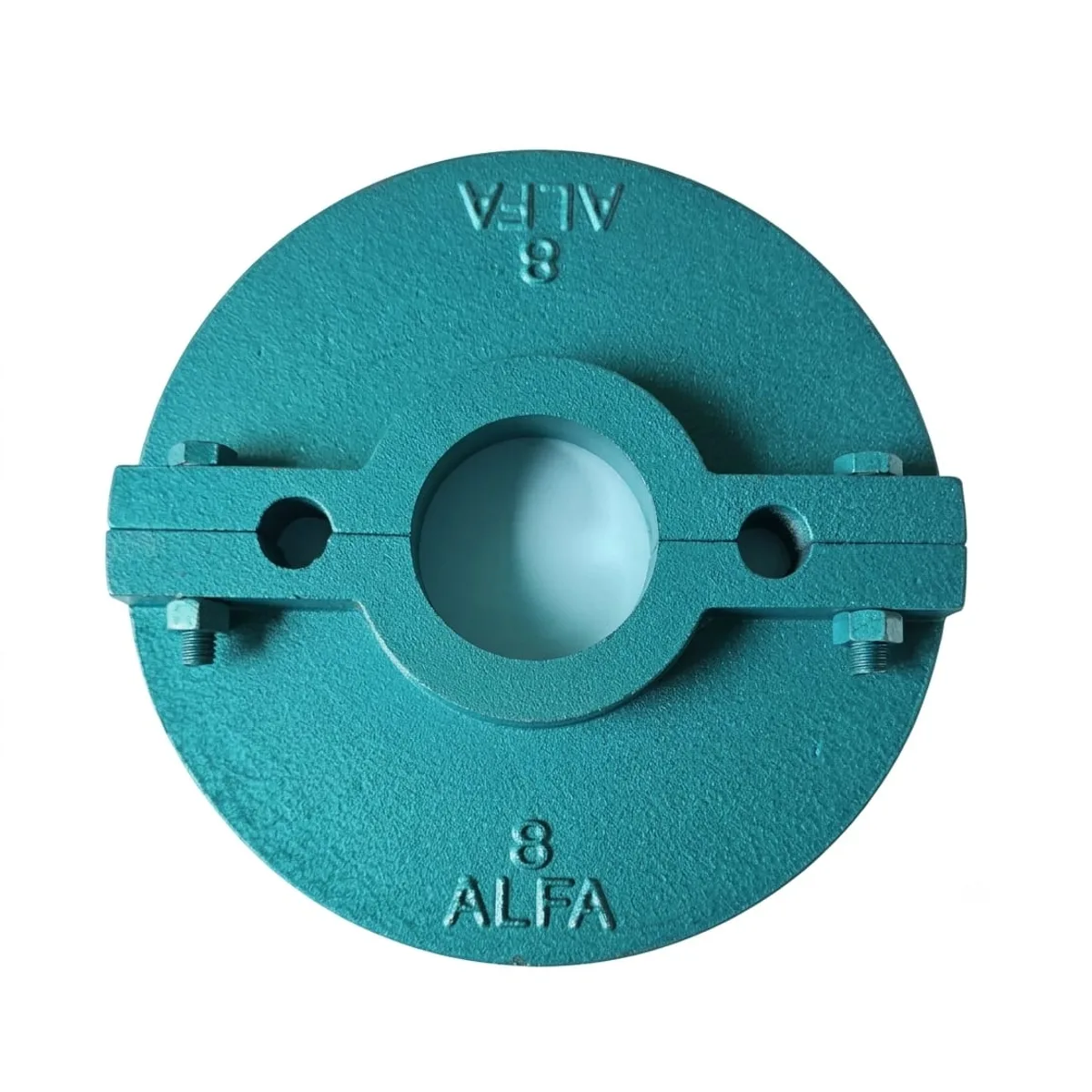
Why Borewell Caps Crack — and How to Prevent It
Grey iron is strong in compression and weak in tension, so a cap almost never fails where the load is — it fails at the boss root, at a casting defect, or because it was overtightened on installation. The four failure modes, and what to specify instead.
· 7 min read
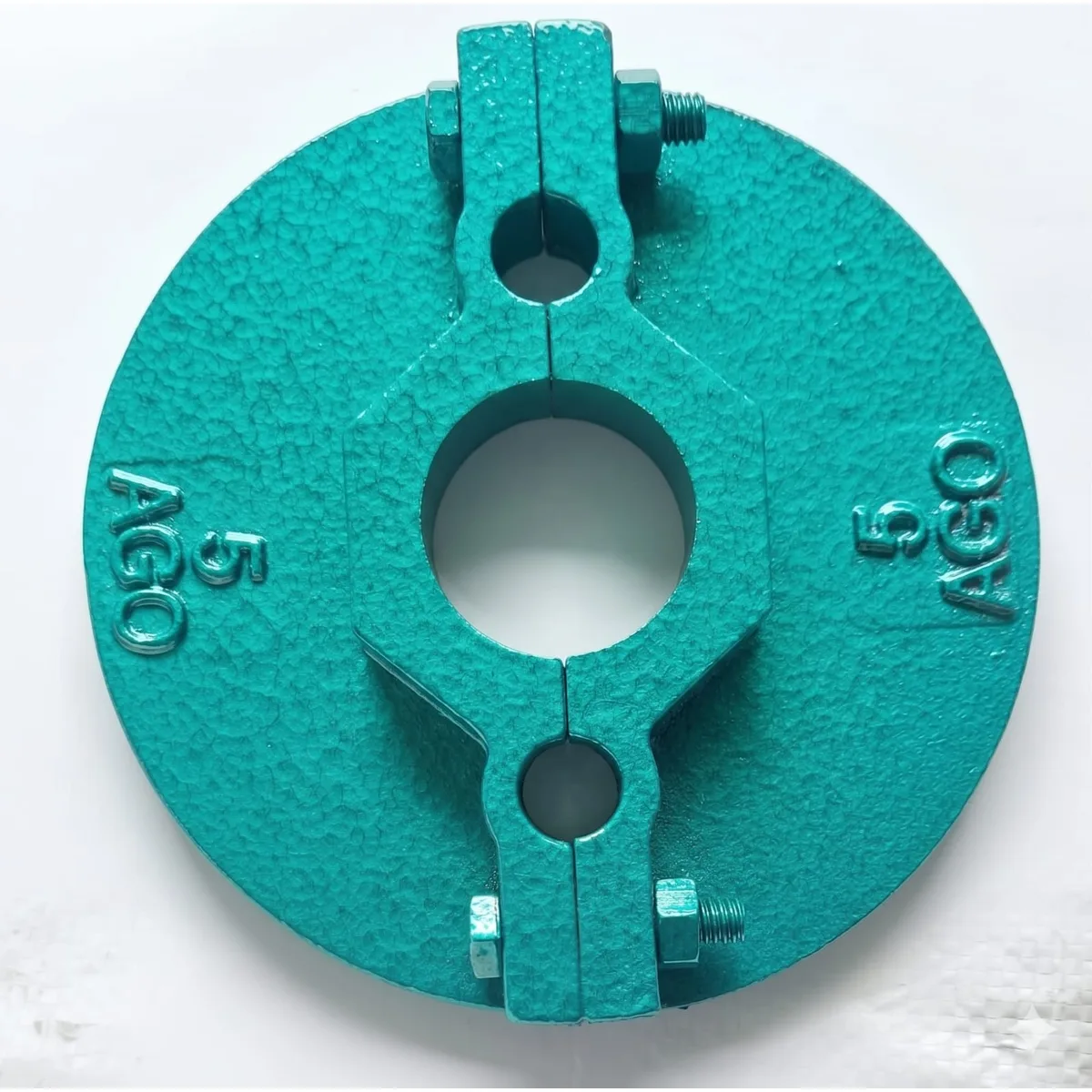
Borewell Cap Size Guide: How to Measure and Order the Right Cap
A borewell cap is sized by the bore casing diameter, not the pump. Here is how to measure the casing, the column pipe and the cable route before you order — with a size chart and the three mistakes that cause a cap to arrive and not fit.